
Cleanroom sandwich panels form the walls and ceilings of many controlled environments. They affect cleanability, air tightness, fire performance, installation speed, door and window integration and long-term maintenance. Panel selection should be reviewed together with process risk and building requirements.
For buyers, the visible surface is only one part of the decision. Core material, surface coating, joint design, corner detailing and compatibility with doors, windows and ceiling systems all influence cleanroom performance. A low-cost panel can create problems if it is difficult to seal, repair or clean.
This guide explains how to compare clean room sandwich panel systems, what information belongs in a supplier quotation, and which installation details should be reviewed before fabrication begins.
Cleanroom Sandwich Panels at a Glance
- Primary function: create a smooth, sealed and maintainable cleanroom wall or ceiling envelope.
- Main components: metal or other cleanable face sheets, an internal core, edge profiles and a sealed joint system.
- Key selection factors: cleaning chemicals, moisture, fire requirements, structural load, wall height, ceiling span and maintenance access.
- Critical interfaces: doors, windows, coving, floors, ceilings, return-air paths and utility penetrations.
- Buyer evidence: material data, fire documentation, coating information, shop drawings, samples and installation details.
A cleanroom sandwich panel should not be selected from thickness and price alone. The completed system must control leakage, avoid particle traps and remain serviceable throughout the operating life of the cleanroom. The best proposal is the one that connects panel construction with room use, local code and installation details.
How Cleanroom Panels Affect Room Performance
Cleanroom classification is measured through airborne particle concentration, but the room envelope helps the HVAC and operating controls maintain that condition. Poorly sealed joints and penetrations can allow uncontrolled air movement, make pressure cascades unstable and create areas that are difficult to clean.
Panels also influence start-up and long-term operation. A coordinated modular system can shorten site installation and make future changes easier. A poorly coordinated system may require cutting, patching and exposed sealant at the construction site, increasing contamination risk and making the finished room harder to maintain.
ISO 14644-4 addresses the process of defining requirements, designing, constructing and starting up cleanroom installations. It does not select one universal panel type for every application. Users, designers and suppliers still need to translate the process, cleaning regime, fire strategy and building conditions into a project-specific wall and ceiling specification.
Panel Selection Factors
The panel should support the required room class, cleaning method and operating environment. Pharmaceutical and medical device cleanrooms often need smooth, non-shedding surfaces and sealed joints. Food processing rooms may need strong moisture resistance and hygienic detailing. Electronics spaces may add anti-static requirements.
Buyers should ask for panel thickness, surface material, core type, fire rating, load capacity and joint details. The correct specification depends on wall height, ceiling span, maintenance access and the equipment mounted to the panel. Heavy fixtures may need reinforcement or independent support.
Other selection inputs include room temperature and humidity, expected impact from carts or equipment, frequency of cleaning, chemicals used, required access above the ceiling and whether panels may need to be removed later. A proposal that does not state these design conditions is difficult to compare with another supplier’s offer.
Core Materials
Common panel cores include rock wool, magnesium-based materials, aluminum honeycomb and other insulated or fire-rated cores. Each option has different strength, weight, fire resistance, moisture behavior and cost. The right core depends on local code, room use and installation conditions.
- Rock wool: often considered where fire and acoustic performance are important. The complete panel system, joints and supports still need the required project documentation.
- PU or PIR-based insulated cores: can provide low weight and useful thermal performance. Buyers should verify the exact formulation and tested system rather than assume that all foam-core panels perform the same way.
- Aluminum honeycomb: can offer a lightweight, stiff construction for selected wall, ceiling or door applications. Face sheets, adhesive, edge closure and load conditions remain important.
- Magnesium or composite cores: may be offered for particular strength, fire or dimensional requirements. Product composition and supporting test reports should be reviewed carefully.
Fire performance should not be treated as a marketing label. Buyers should confirm the required rating for the building and check whether the offered panel system can provide appropriate documentation. A statement about the core alone may not establish the performance of the complete wall or ceiling assembly.
For humid or washdown environments, moisture resistance and edge sealing may be just as important as fire behavior. The supplier should explain how cut edges, openings and panel bases will be protected during fabrication and installation.
Surface Finish and Cleaning
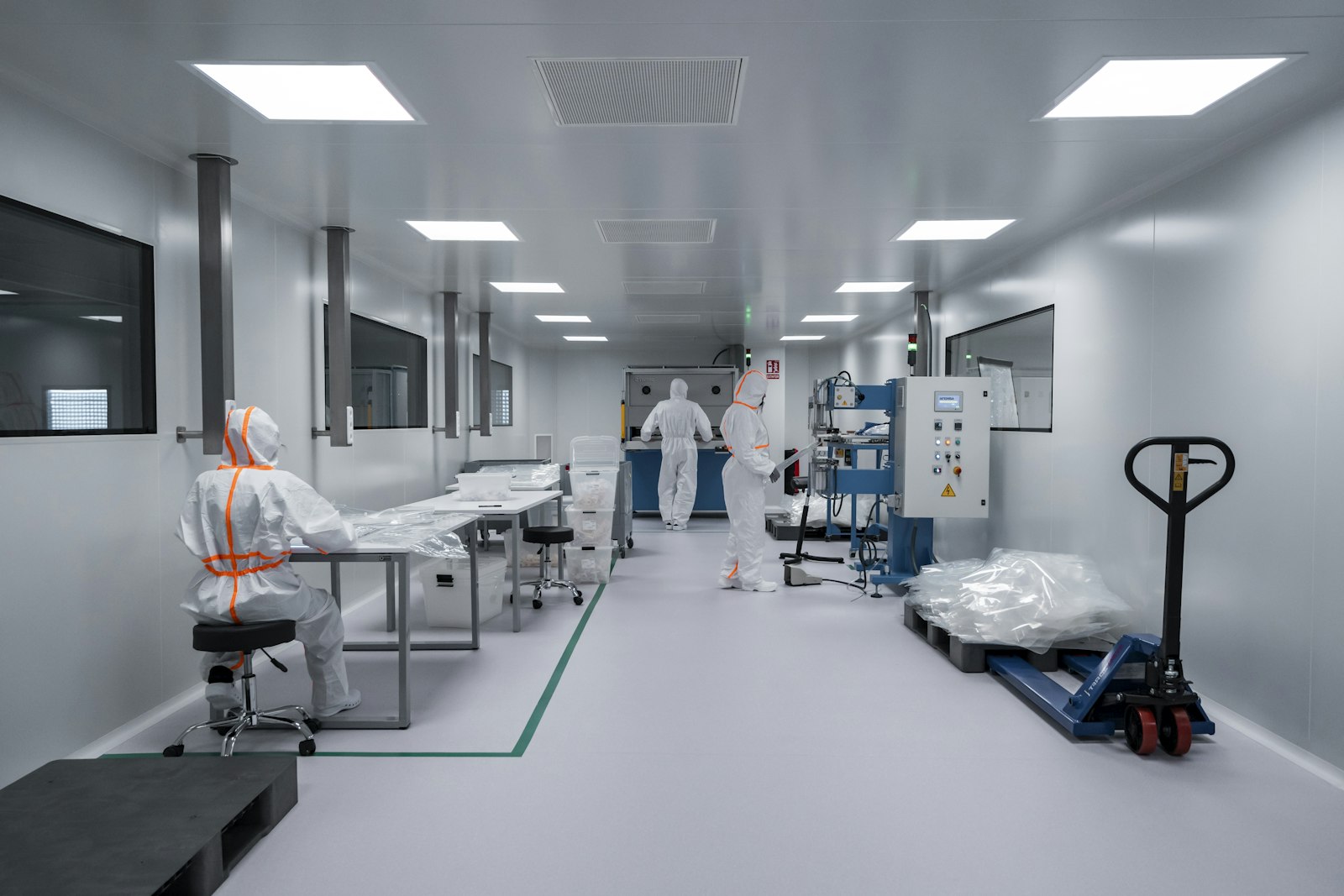
The surface should be smooth, durable and compatible with the cleaning agents used in the facility. Painted steel, stainless steel or other finishes may be selected depending on chemical exposure, impact risk and hygiene requirements. The finish should resist peeling, corrosion and particle shedding.
Precoated steel is widely used because it can provide a clean appearance and efficient modular construction. The quotation should identify the substrate, coating type, nominal thickness, color and any limitations related to chemicals, humidity or temperature. Terms such as “cleanroom steel” are not enough for technical comparison.
Stainless steel may be selected where stronger corrosion resistance, repeated washdown or demanding cleaning is expected. It is not automatically necessary for every cleanroom, and its grade and surface finish should still be specified. Different surfaces can also be combined where only the most exposed zones need an upgraded material.
Cleaning details matter more than they appear in drawings. Joints, corners, skirting, window frames and service penetrations should avoid dust traps. If the cleaning team cannot wipe a surface effectively, the room may look clean but still accumulate contamination in hidden edges.
Panel Thickness and Structural Requirements
There is no single cleanroom sandwich panel thickness that is correct for every project. Required thickness depends on panel height, support spacing, ceiling span, core properties, face-sheet construction, pressure conditions and any imposed load.
Wall panels may need to resist impact and remain flat around doors, glazing and equipment openings. Ceiling panels may need to support light fittings, HEPA terminal units or maintenance activity, but these loads should never be assumed. The supplier should state allowable loads, support conditions and whether the ceiling is walkable.
Equipment, pipework, cable trays and heavy wall-mounted items should normally be coordinated with framing or independent supports. If reinforcement is required inside the panel, its material, position and effect on cleanability should be shown on the shop drawings before production.
Joint Design, Airtightness and Sealants
The joint system determines how individual clean room panels become one envelope. Tongue-and-groove profiles, concealed connectors and sealed joints can produce a flush surface, but performance depends on fabrication tolerance and installation quality.
Sealant should be compatible with the face material, cleaning chemicals and expected movement. Too little sealant can leave leakage paths. Excessive or poorly finished sealant can create rough edges that collect residue. The specification should define where seals are required, how they will be finished and how damaged joints can be repaired.
Airtightness should be reviewed at corners, ceiling junctions, floor connections and service openings, not only along the straight panel joint. Smoke checks, pressure testing or other commissioning inspections may be appropriate depending on the project requirements.
Door, Window and Ceiling Integration
Panels must integrate with cleanroom doors, observation windows, ceiling systems, return air grilles and utility penetrations. Poor integration can cause leakage, uneven surfaces or weak points around frames. These details affect pressure control as well as appearance.
During design review, buyers should request section drawings for panel joints, door frames, window frames and ceiling connections. The cleanroom envelope should be treated as one sealed system. Changing a door or window detail late in the project can affect panel fabrication and installation time.
Flush windows and doors can simplify cleaning, but “flush” should be defined from the clean side and shown in sections. Frame depth, glass type, hardware, interlocks, pass-throughs and access panels must be coordinated with the panel thickness and internal reinforcement.
Utility penetrations should be planned before fabrication whenever possible. Site-cut openings for pipes, ducts, cables and outlets can damage coatings or expose the panel core. A coordinated penetration detail should protect the edge, support the service and provide a cleanable seal.
Wall Panels vs Cleanroom Ceiling Panels
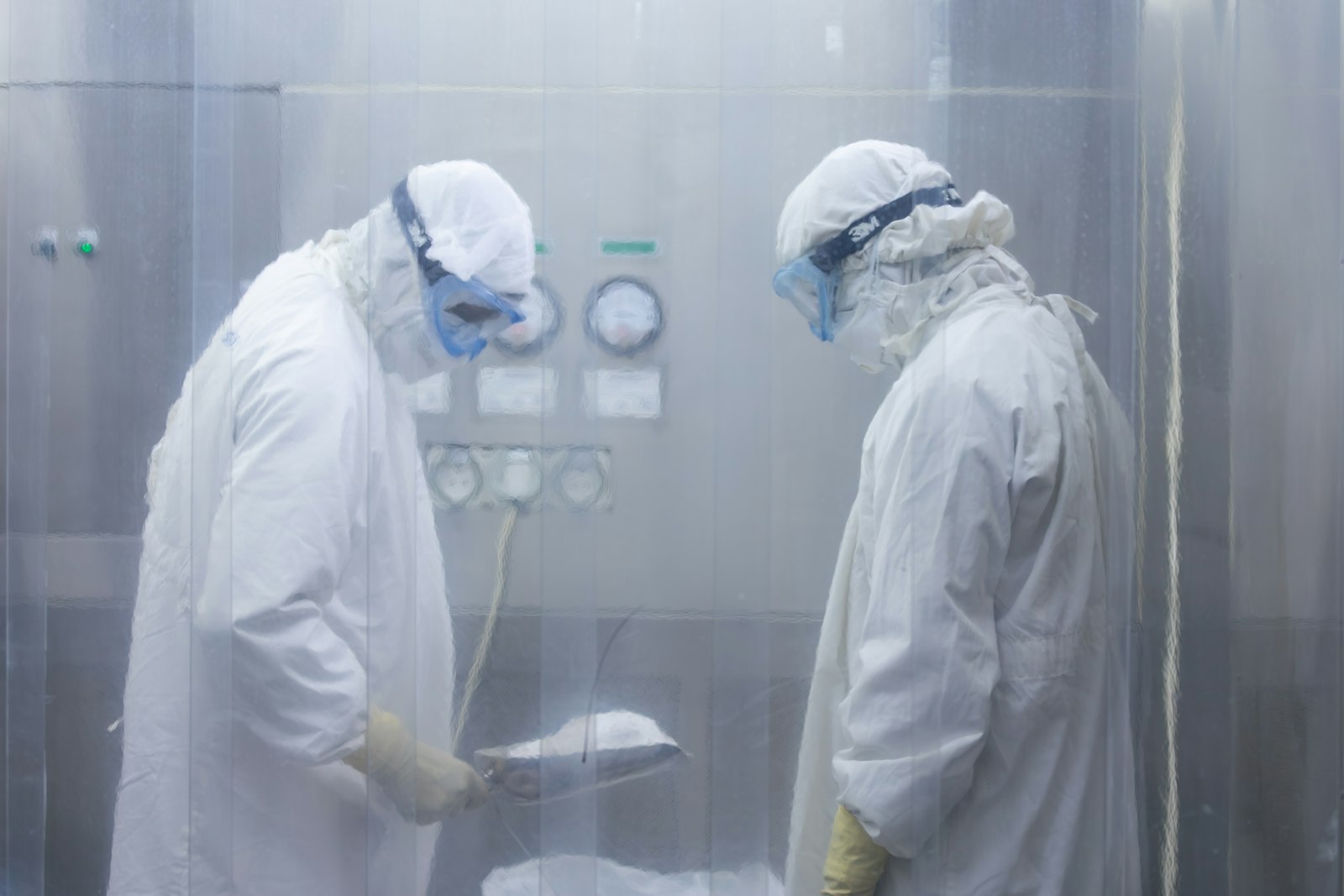
Wall and ceiling panels may share materials and joint concepts, but their structural and maintenance duties are different. Wall panels need stable vertical alignment and coordinated openings. Ceiling systems must integrate filters, lights, sprinklers and services while controlling deflection and leakage.
A walkable ceiling requires a documented support and load design. The phrase “walkable panel” should not be accepted without the allowed load, span, support arrangement and access conditions. Maintenance routes may still need dedicated walkways to protect the ceiling and reduce disturbance above critical areas.
Where a non-walkable ceiling is used, the project must provide another safe method for filter replacement and service access. Maintenance planning should be resolved during design rather than after the cleanroom is operating.
Installation Quality and Site Acceptance
Good materials cannot compensate for poor installation. Panels should arrive protected from moisture, impact and surface damage. Storage and handling methods should prevent distortion and contamination before installation.
During installation, the team should control line, level, joint width, fastener concealment, seal continuity and protection of finished surfaces. Cut edges and penetrations should be closed according to the approved detail. Temporary protective film should be removed at the correct stage so that trapped residue or adhesive does not affect final cleaning.
Site acceptance should include visual inspection of surfaces, joints, corners, doors, windows, coving and penetrations. Damaged coating, open seams, sharp edges, exposed core material and unsealed services should be recorded before final cleaning and commissioning.
GMP Detailing Checklist
GMP-friendly panel design reduces cleaning burden and supports documented operation. The goal is a room envelope that is smooth, sealed and practical to maintain.
- Use smooth, non-shedding surfaces and sealed joints.
- Avoid exposed fasteners in critical areas where possible.
- Coordinate coving, skirting, doors, windows and ceilings.
- Close and seal cut edges and service penetrations.
- Provide reinforcement or independent support for mounted equipment.
- Confirm compatibility with cleaning and disinfection chemicals.
- Allow safe access for filter, light and utility maintenance.
- Document material certificates, shop drawings and as-built details.
What to Include in a Cleanroom Panel RFQ
A clear request for quotation allows suppliers to price the same scope and reduces substitutions later. Include the following information:
- room use, target cleanliness and operating conditions;
- wall heights, ceiling spans and relevant layout drawings;
- required panel thickness, face material, coating and color;
- permitted or preferred core materials;
- fire, moisture, corrosion and structural requirements;
- joint, corner, coving and floor-interface details;
- door, window, pass box, grille and service openings;
- ceiling loads, access and maintenance requirements;
- required samples, test reports, certificates and warranties;
- scope for installation, sealants, protection, cleaning and handover.
Ask suppliers to identify exclusions and deviations line by line. A lower quotation may omit framing, coving, openings, sealants, transport protection or installation work that another proposal includes.
Common Specification Mistakes
- Selecting a panel only by nominal thickness and unit price.
- Specifying a core material without defining the required system performance.
- Leaving doors, windows and penetrations until after panel fabrication.
- Assuming every cleanroom ceiling is walkable.
- Ignoring cleaning-chemical compatibility and moisture exposure.
- Accepting generic fire claims without project-relevant documentation.
- Mounting heavy equipment directly to panels without coordinated support.
- Failing to define repair materials and spare-panel requirements.
Hurricane Techs Recommendation
Select panels based on cleanroom use, cleaning method and installation details. A strong panel proposal should include core type, surface finish, joint system, fire documentation and integration drawings.
Hurricane Techs provides cleanroom wall and ceiling panels, installation support and design consulting for buyers who need a sealed and maintainable cleanroom envelope.
FAQ
Which sandwich panel is best for cleanrooms?
It depends on fire requirements, cleaning chemicals, moisture exposure, strength, wall or ceiling duty and budget. The best choice is a documented panel system that fits the complete room design rather than one core material used for every project.
Are cleanroom panels fire rated?
They can be. Buyers should request fire performance documentation for the selected panel system and confirm that it satisfies the applicable building and project requirements.
Can panels integrate windows and doors?
Yes. Door and window details should be coordinated with panel thickness, framing and reinforcement before fabrication.
What thickness should a cleanroom sandwich panel be?
Thickness depends on panel height, ceiling span, core construction, support spacing, loads and required performance. It should be selected from the supplier’s documented system design rather than a universal rule.
Is rock wool better than a foam-core cleanroom panel?
Neither is universally better. Rock wool may be preferred for certain fire or acoustic requirements, while other insulated cores may offer lower weight or different thermal performance. Compare the complete tested system and operating conditions.
Can damaged cleanroom panels be repaired?
Minor surface damage may be repairable with an approved method. Deep impact, corrosion, open joints or exposed core material may require panel replacement. Repair materials must remain smooth, sealed and compatible with cleaning.
What documents should a panel supplier provide?
Typical documents include material data, coating information, fire-performance evidence where required, shop drawings, load information, installation details, inspection records, warranties and final as-built drawings.


