
Cleanroom PVC flooring is used because it can provide a smooth, cleanable and cost-effective floor surface for controlled environments. The right flooring choice depends on cleanroom class, traffic, chemical exposure, ESD requirements, cleaning method and installation quality.
For buyers, flooring should be reviewed with wall panels, coving, drainage, equipment load and maintenance procedure. A cleanroom floor is not only a finish material; it is part of the room envelope and daily contamination-control system.
Flooring Options by Application
General cleanroom PVC flooring may be suitable for pharmaceutical support rooms, medical device assembly, laboratories and packaging areas where a smooth cleanable surface is required. The material should resist dust generation and allow routine cleaning without peeling or open seams.
Higher-risk applications may require conductive, anti-static or chemical-resistant versions. Food, electronics and laboratory rooms can have very different flooring needs even when the room class is similar. Buyers should define traffic load, liquid exposure, cleaning agents and ESD risk before choosing a product.
Anti-Static vs Conductive
Anti-static flooring helps reduce static buildup and may be suitable for many electronics or precision work areas. Conductive flooring provides a more controlled path for charge dissipation and may be required where static discharge can damage products or affect safety.
The flooring alone does not create an ESD control program. It must work with footwear, grounding, humidity, workstations and testing procedure. Buyers should confirm resistance range, test method and maintenance requirements before selecting conductive or anti-static PVC.
Seamless Welding and Coving
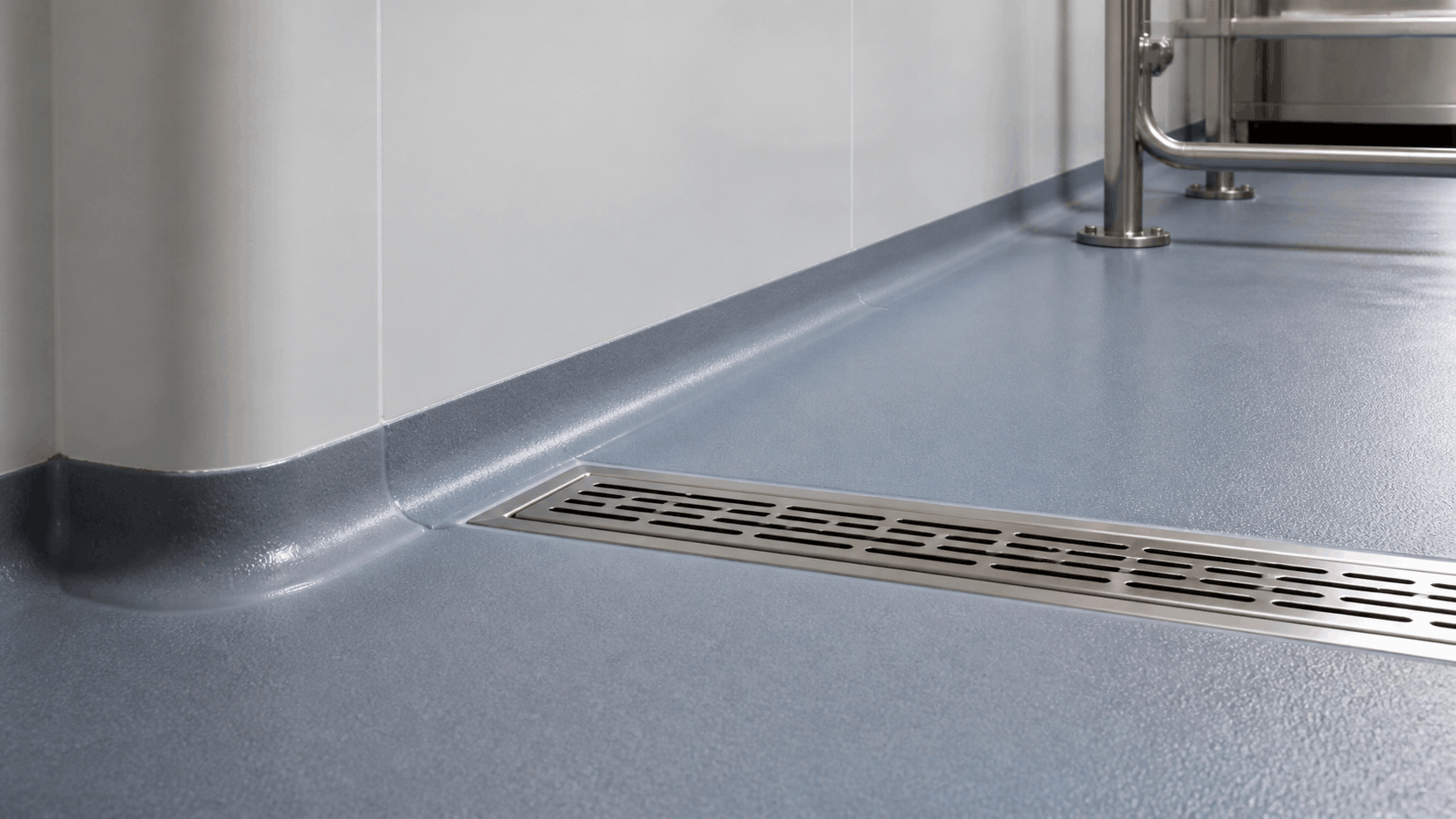
Heat-welded seams help create a continuous surface that is easier to clean than open joints. Poor welding can create cracks, dirt traps or water entry points. Installation quality is therefore as important as the material specification.
Coving at the wall-floor junction reduces sharp corners and supports cleaning. The cove detail should be coordinated with wall panels, skirting and door frames. If coving is added without proper backing or sealant, it can detach or create hidden contamination points.
Cleaning and Chemical Resistance
The floor should tolerate the cleaning agents, disinfectants and process chemicals used in the facility. Some chemicals can stain, soften or damage PVC if compatibility is not checked. Cleaning frequency and wet process exposure should be discussed during design.
Maintenance should include inspection for scratches, lifting seams, damaged coving and worn traffic areas. A floor that is difficult to clean or visibly damaged can undermine cleanroom discipline. Repair methods should be defined before production starts.
Selection Checklist
Flooring selection should combine material performance and installation detail. Use a project checklist so quotations include comparable scope and not only square-meter pricing.
- Confirm cleanroom class, traffic and equipment load.
- Define anti-static or conductive requirements.
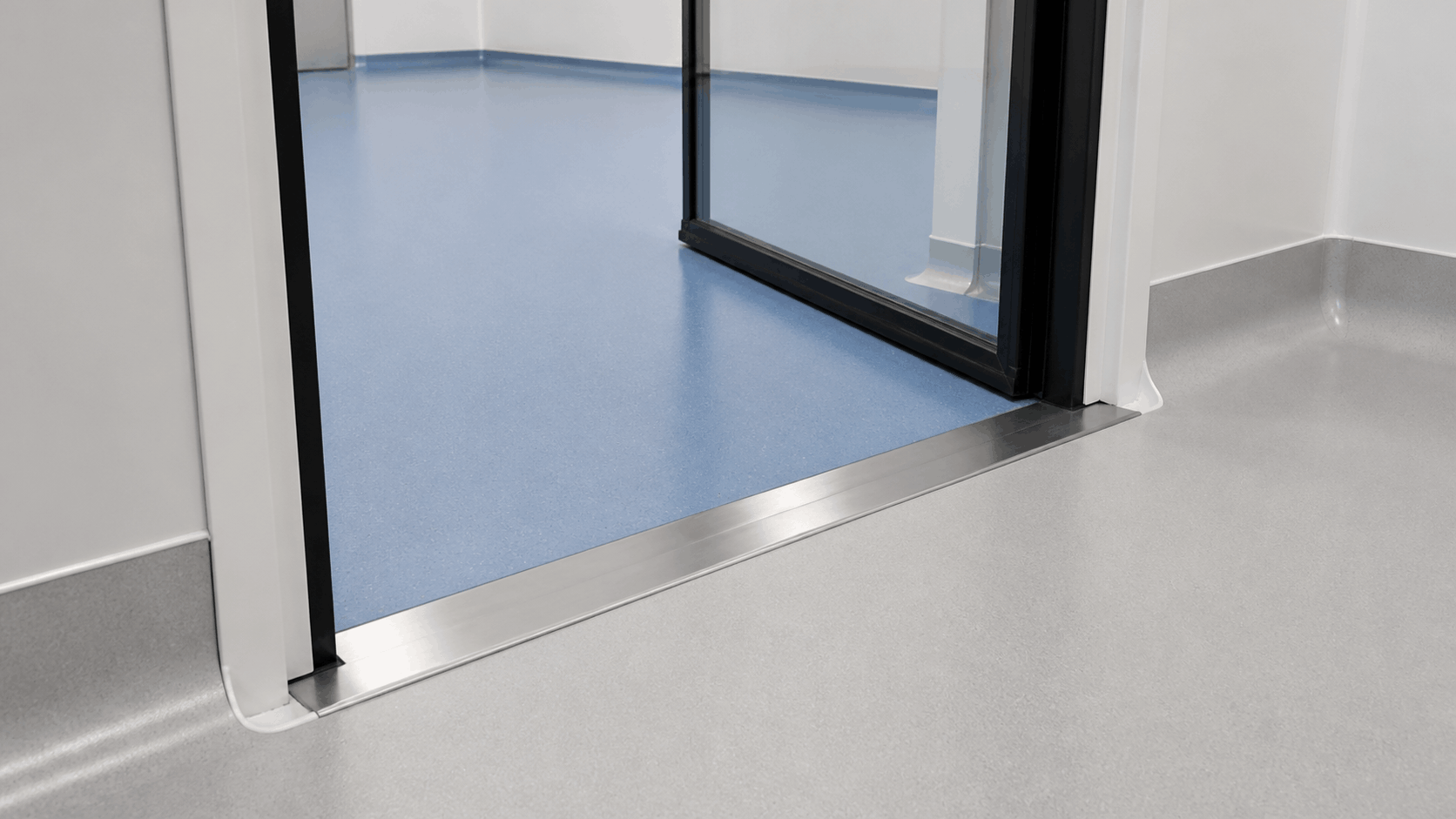
- Review seam welding, coving and door threshold details.
- Check chemical compatibility and cleaning procedure.
Hurricane Techs Recommendation
Choose flooring as part of the cleanroom envelope. The floor should support cleaning, movement, ESD control and long-term maintenance without creating hidden joints or weak edges.
Hurricane Techs supports cleanroom flooring systems, installation and commissioning and cleanroom design review for projects that need practical, maintainable surfaces.
FAQ
Is PVC flooring suitable for GMP cleanrooms?
Yes, when the material, welding, coving and cleaning compatibility meet the project requirement.
When is conductive flooring needed?
It is needed when ESD control is critical for products, equipment or safety.
How is cleanroom PVC flooring installed?
It is commonly installed with welded seams and coved edges to create a cleanable surface.


