
Static and dynamic pass boxes are used to transfer materials between rooms while reducing unnecessary personnel movement and cross-contamination risk. The correct choice depends on room classification, pressure relationship, material type, transfer frequency and whether active air filtration is required.
For cleanroom buyers, a pass box should not be treated as a simple stainless-steel cabinet. It affects personnel flow, material flow, pressure stability and daily operating procedure. A poorly selected pass box can become a contamination shortcut even if the cleanroom itself is well designed.
Static vs Dynamic Difference
A static pass box is usually a sealed transfer chamber with interlocked doors. It does not actively supply filtered air. It is commonly used between rooms with similar cleanliness levels or where the transfer risk is relatively low. The main function is to prevent both doors from opening at the same time.
A dynamic pass box includes airflow, usually with HEPA filtration, to help protect the transfer chamber and reduce particle risk. It may be used when materials move between areas with different cleanliness levels or when the process requires stronger control. The dynamic type should be evaluated as part of the pressure and airflow strategy, not only as an accessory.
Airflow and Filtration
Dynamic pass boxes may use filtered supply air to sweep the transfer chamber. The airflow pattern, filter grade, air velocity and return path should be defined clearly. If the airflow is weak or poorly directed, the equipment may not provide the expected protection.
HEPA filtration inside a pass box does not replace proper material cleaning or packaging control. Operators still need a defined procedure for wiping, loading, transfer time and unloading. The equipment supports contamination control, but the SOP determines whether it works in daily operation.
GMP Material Transfer Needs
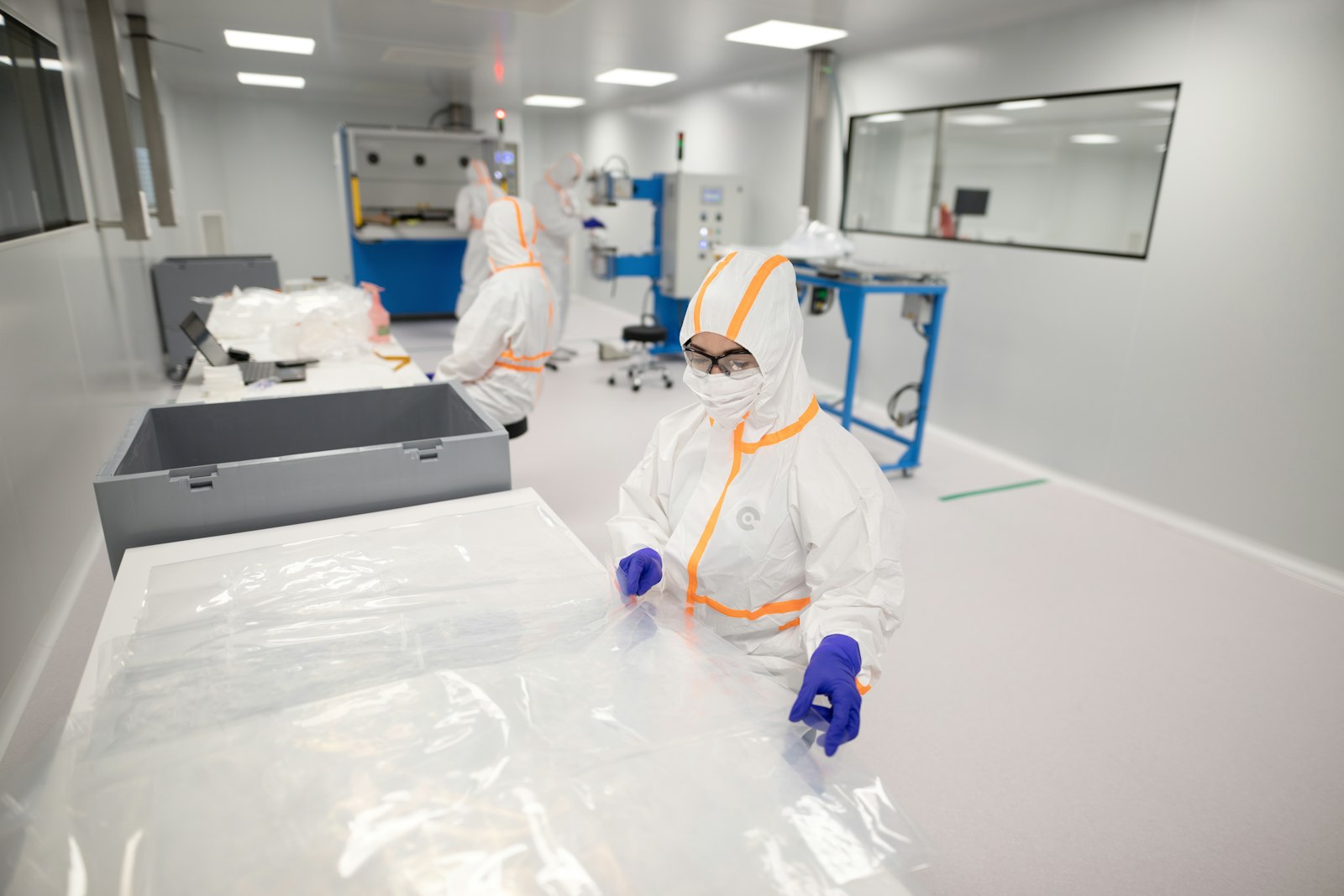
In GMP cleanrooms, material transfer should reduce unnecessary door opening and keep personnel routes separate from material routes where possible. A pass box can help preserve pressure cascade by allowing materials to move without people crossing between zones.
The project team should define what materials will pass through the unit: tools, samples, packaging, components or waste. Size, surface finish, UV light option, interlock logic and cleaning access should follow the material type. Oversized or undersized units both create operating problems.
Interlocks and Installation
Door interlocks are one of the most important pass box features. Mechanical or electronic interlocks prevent both doors from opening together and help protect room pressure relationships. For critical rooms, alarm or status indication may also be useful.
Installation details matter. The pass box should be sealed into the wall panel system without gaps, sharp edges or cleaning traps. Its height and location should support normal work posture and material flow. If operators must carry materials awkwardly, they may bypass the procedure.
Selection Checklist
Before ordering, confirm the transfer direction, room class on each side and whether active filtration is necessary. The equipment should support the cleanroom layout, not force the layout to adapt later.
- Confirm static or dynamic type by transfer risk.
- Define chamber size and material dimensions.
- Check door interlock, sealing and cleaning access.
- Include pass box operation in validation and SOPs.
Pass Box Selection Advice
Select pass boxes together with layout, pressure cascade and material flow. The right unit should make transfer easier while reducing door opening and contamination risk.
Hurricane Techs supplies pass boxes and transfer hatches, cleanroom design consulting and installation support for projects that need practical material transfer control.
FAQ
When is a dynamic pass box required?
It is often used when materials move between different cleanliness levels or when active HEPA-filtered airflow is required.
Does a pass box need HEPA filtration?
Not always. Static pass boxes may be enough for lower-risk transfers, while dynamic units add filtered airflow.
Can pass boxes be customized?
Yes. Size, door type, interlock, material and accessories can usually be customized for project needs.


