
Cleanroom air showers use high-velocity filtered air to remove loose particles from personnel or materials before they enter a controlled area. They are most useful when gowning discipline, entry control and airflow design work together. An air shower by itself cannot compensate for poor cleanroom behavior.
For buyers, the main questions are where the air shower sits in the personnel route, what air velocity it provides, how long the cycle lasts, how filters are maintained and whether the interlock logic supports the cleanroom pressure strategy.
What Air Showers Do
An air shower helps remove surface particles from garments, shoes, packages or carts before entry. Nozzles blow filtered air from multiple directions while the user rotates or follows the operating instruction. The removed particles are captured through return grilles and filtration.
The air shower should be treated as one step in the contamination-control process. Good gowning, sticky mats, cleaning procedure and controlled entry behavior are still required. If operators rush through the chamber or overload it with materials, the benefit becomes limited.
Air Velocity and Nozzle Layout
Air velocity should be strong enough to dislodge loose particles without making operation uncomfortable or unsafe. Nozzle layout determines whether air reaches shoulders, sleeves, torso and lower garment areas effectively. Poor nozzle coverage can leave important surfaces untreated.
Buyers should request technical data for air speed, nozzle number, airflow pattern and filter grade. For larger carts or material transfer, the chamber size and nozzle direction may need customization. A standard personnel air shower may not be suitable for bulky equipment or palletized goods.
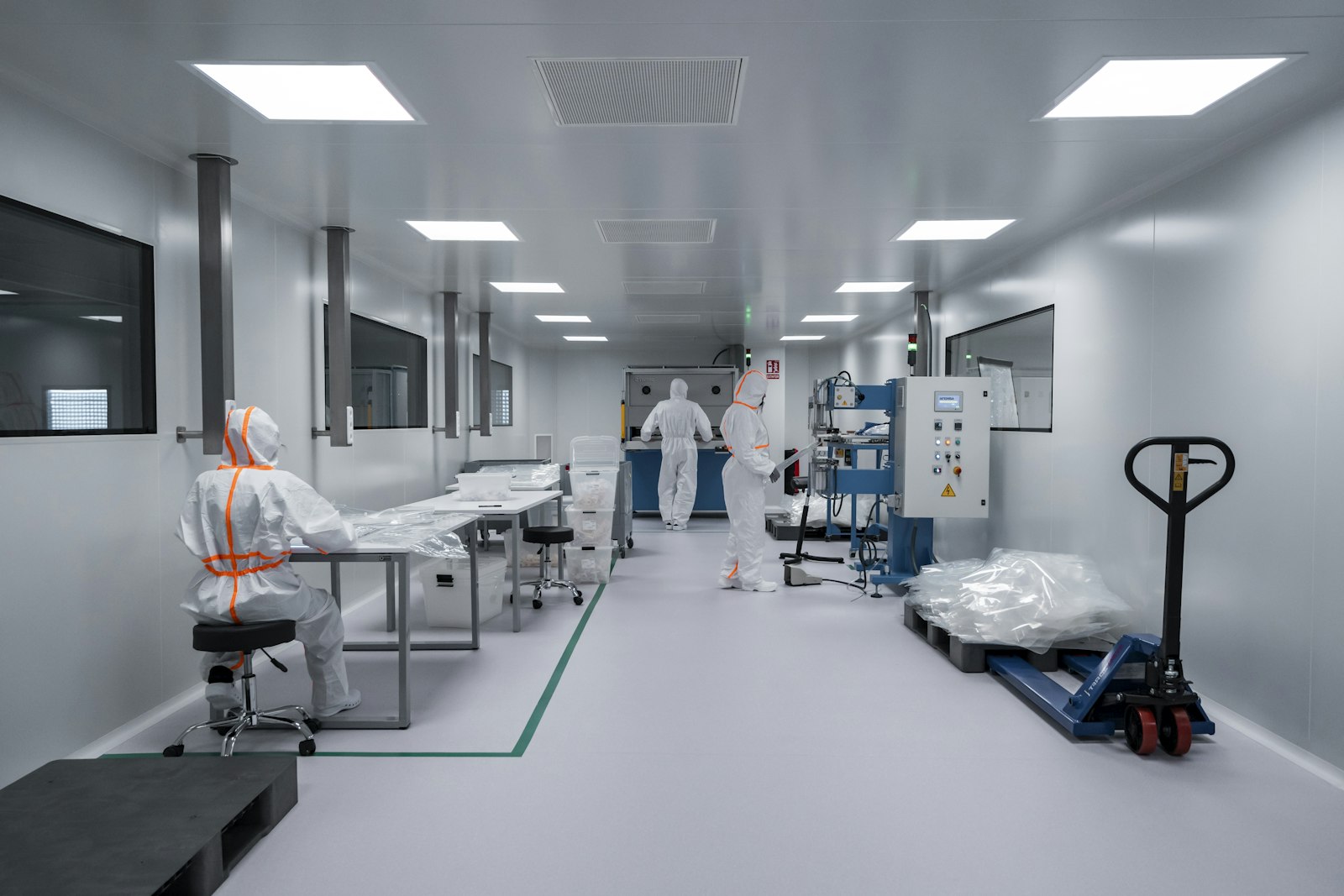
Cycle Time and Door Interlock
Cycle time should be long enough to support cleaning but short enough that operators actually follow the procedure. If the cycle is too long or the chamber is too small, people may avoid using it properly. Practical design is important for compliance.
Door interlocks prevent both doors from opening at the same time and help protect pressure relationships. The control system should define entry, shower cycle, exit and emergency release behavior. For critical facilities, status lights or access control integration may also be useful.
HEPA Filtration and Maintenance
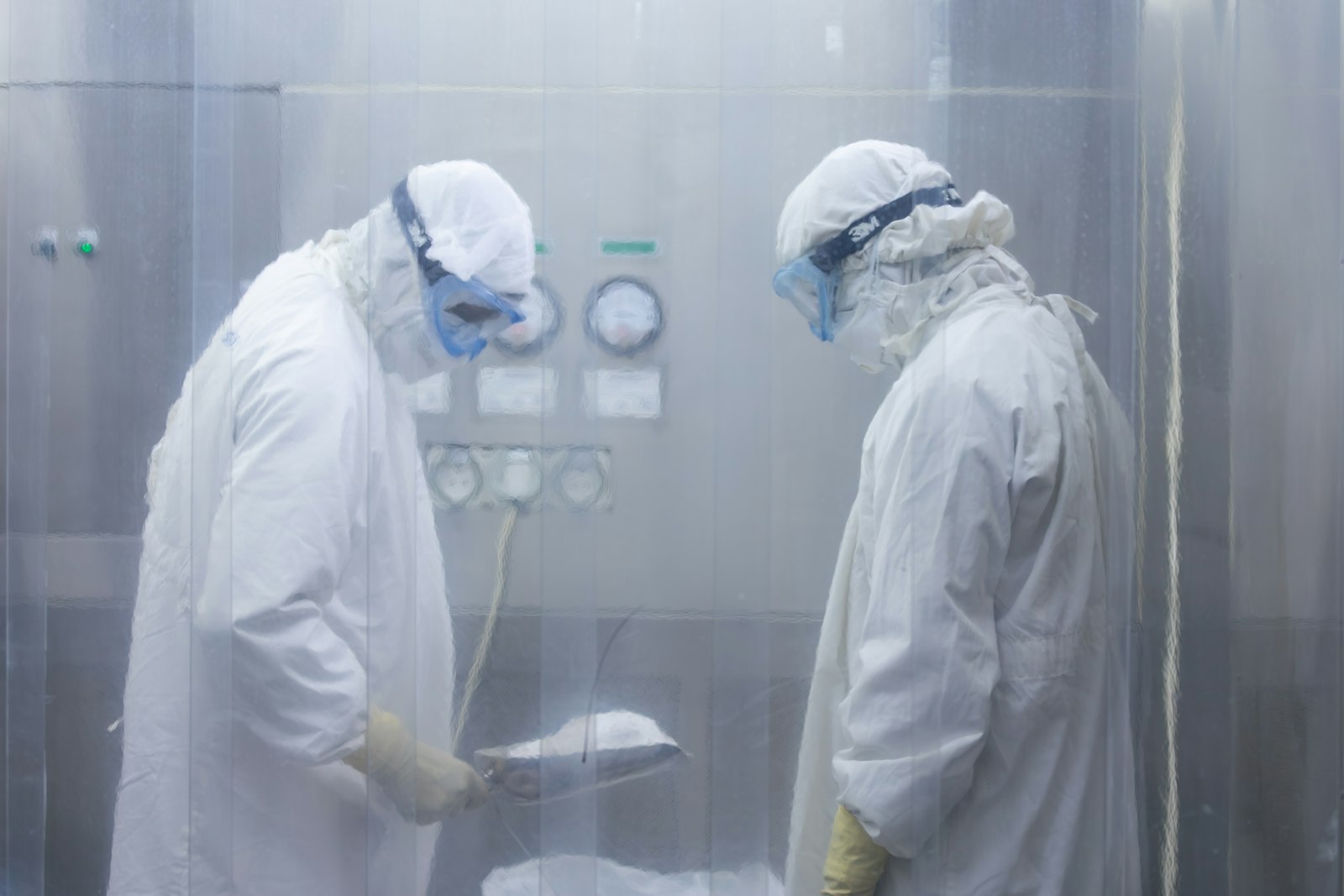
Air showers usually recirculate air through filters, often including HEPA filtration. Filter condition affects air velocity and cleaning performance. As filters load, airflow may drop and the chamber may no longer perform as expected.
Maintenance should include pressure drop monitoring, cleaning of return grilles, nozzle inspection and periodic filter replacement. The air shower should be easy to access for service without introducing dirt into adjacent clean areas. Maintenance procedure should be part of the facility SOP.
Buyer Checklist
Air shower selection should be based on the entry route and operational behavior. The unit should support how people and materials actually move into the cleanroom.
- Confirm personnel or material use.
- Check chamber size, nozzle coverage and cycle time.
- Review door interlock and emergency release logic.
- Plan filter maintenance and cleaning access.
Hurricane Techs Recommendation
Use air showers where they support a disciplined entry process. The equipment should be matched with gowning design, pressure cascade and daily cleaning procedure.
Hurricane Techs provides air shower systems, layout consulting and installation support for facilities that need controlled personnel or material entry.
FAQ
Does every cleanroom need an air shower?
No. The need depends on cleanroom class, contamination risk and entry procedure.
What air velocity is used in air showers?
It depends on design and manufacturer specification. Buyers should review velocity, nozzle layout and chamber size together.
How often should filters be replaced?
Replacement should be based on pressure drop, airflow performance and maintenance records.


